
Humankind has not woven the web of life – we are but one thread within it. Whatever we do to the web, we do to ourselves. All things are bound together; all things connect.” ~ Chief Seattle (1786-1866)
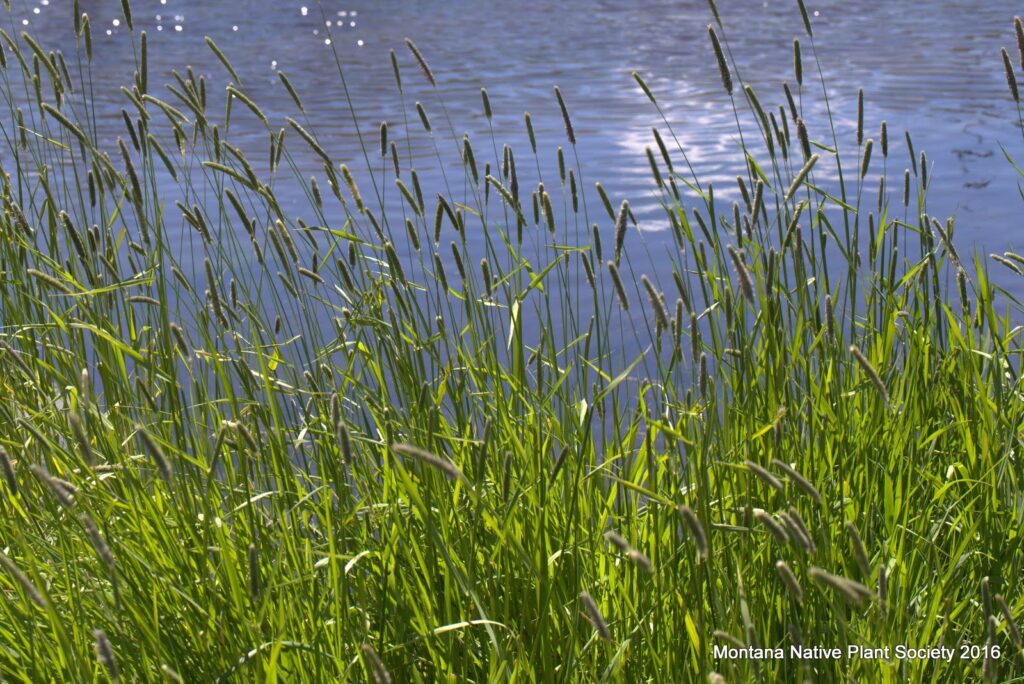
Conserving native plants and their habitats is at the heart of what this Society is all about. Our Conservation Committee identifies and acts on issues and programs to conserve native plants.
The committee is chaired by Ashley Mattson. You can email Ashley here.
Society positions on conservation issues
The Conservation Committee represents us by making formal comments to public agencies about issues relating to conserving native plants in land management plans.
Conservation strategy
The 2024 Montana Native Plant Conservation Strategy was developed with the Montana Natural Heritage Program.
As a living document with regular updates & revisions, it will shape the actions of land-management agencies for years to come. MNPS Conservation Committee members were core to its development. Feb 2025 video.
Species of concern
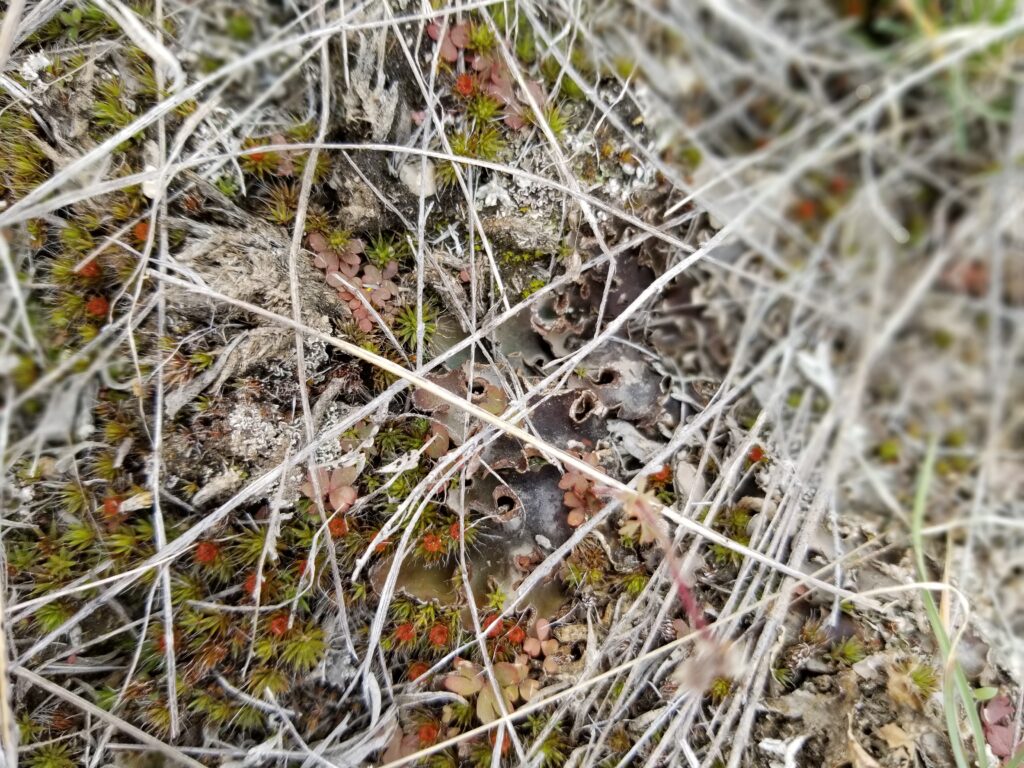
Many native plants are Threatened or Endangered species. The Threats page gives information about which species are threatened and what the threats are.
Important Plant Areas identifies places that are important for protecting habitats. See Peter Lesica’s Kelseya article, “Montana’s Threatened Plants Need Your Help.”
Conservation conferences
MNPS Sponsors a Plant Conservation Conference every other year. For information about these conferences, including links to the proceedings, see the Conservation Conferences page. The next conference is planned for 2028.
Wildcrafting
Citizen Botany
The Citizen Botany program is an effort to understand the status of rare plants in Montana. The program’s goal is to determine if at least 435 native “species of concern” have survived in more than 5,000 locations statewide, locations that have not been visited in 20 to 50 years! Our members get involved as citizen scientists, searching for rare species in a specific locatioin. The program unites people with plant conservation needs, and conservation with teaching. See the Citizen Botany page.
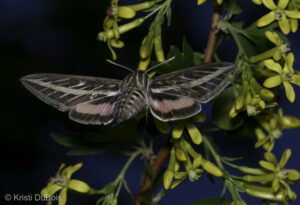
Mellow Yellow – Yellow lights conserve pollinators
Whether you want to save nighttime moth & butterfly pollinators, or you just want to keep the bugs away from your house, it works to replace your outdoor lights with yellow bulbs! It seems that flying insects can’t see yellow light, so they aren’t attracted to it, just as humans can’t see infrared or ultraviolet light with our unaided eyes.
The bottom line is that putting yellow bulbs in your outdoor lights is an easy, cheap way to reduce nighttime insect mortality. “Bug Away” lights are widely available. A side benefit is that yellow light protects the retinas of people overexposed to blue light.